
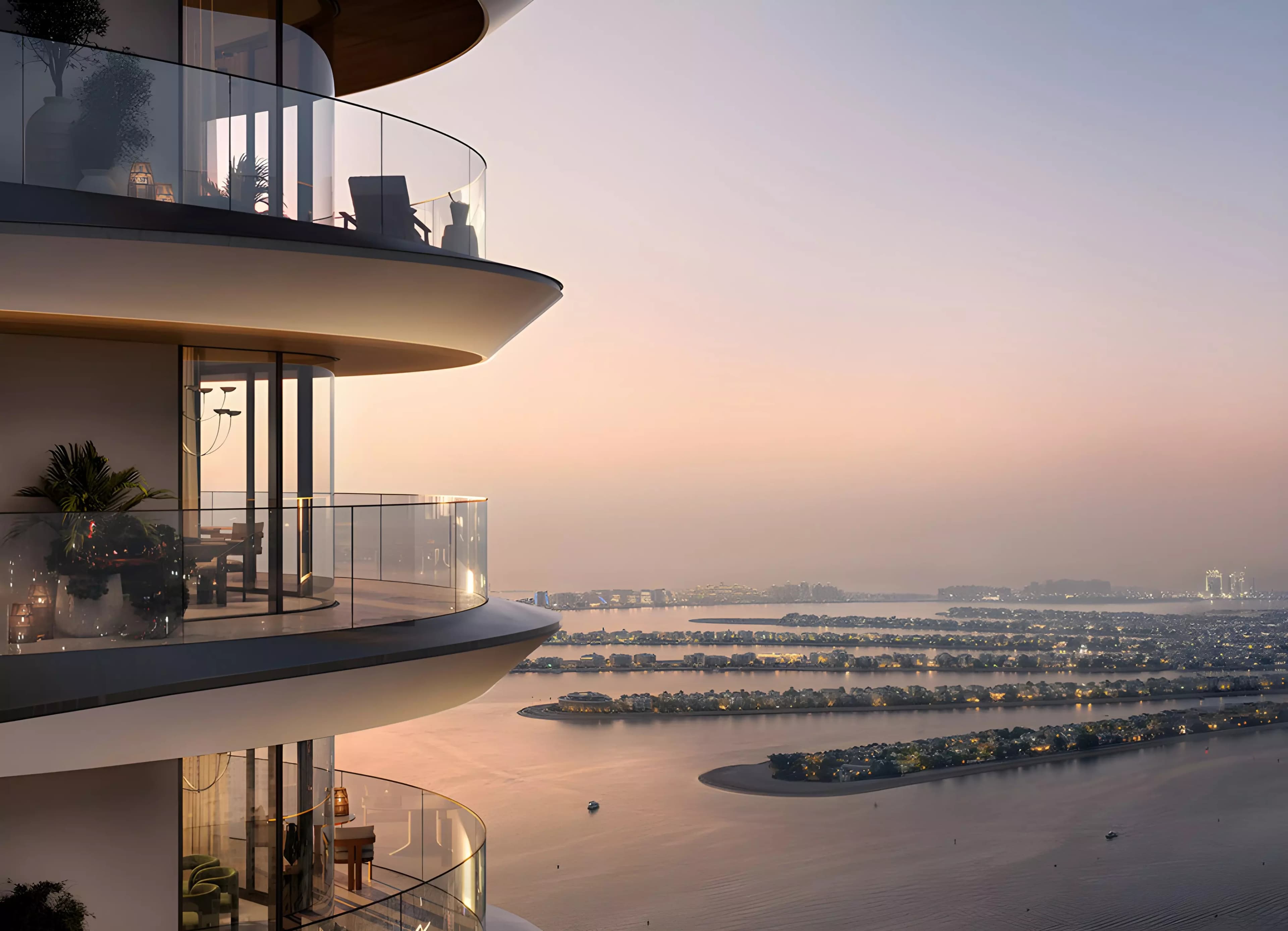
Short-term letting through Airbnb, Booking.com and similar platforms is a growing part of the Dubai property market. It runs under separate rules from a standard residential lease, and it changes the costs, the effort and the building you should be looking at. This guide sets out what governs it, what drives demand, and what it costs to run.
The Holiday Home Permit: Regulation and Requirements
Short-term letting is legal in Dubai provided you hold a Holiday Home Permit from Dubai’s tourism authority, mandatory for any property offered on platforms such as Airbnb, Booking.com or VRBO.
A permit application needs the Title Deed or the owner’s consent, approval from the building’s owners’ association, and either a registered holiday home company or a partnership with a licensed holiday home management firm.
Not every building permits short-stay letting. The owners’ association must give explicit consent, and in some buildings the house rules prohibit it outright. We check a building’s status before we let a client consider it for Airbnb use.
As a host, you collect a Tourism Dirham Fee from guests on behalf of the authority, remitted monthly; the rate depends on the classification of your property.
Demand and Seasonality
Demand for short-stay lettings in Dubai follows the wider tourism market: busier from November to April, when the weather is at its most comfortable and the city’s events calendar is at its fullest, and quieter through the summer months. Waterfront districts and areas close to the beach or a major attraction generally draw more short-stay demand than a residential community further from them.
Rates a host can charge follow the same seasonal pattern: higher through the winter and around major events, lower through the summer, when many hosts switch to monthly lets for visitors staying longer. Most professional hosts use a pricing tool that adjusts the nightly rate to demand through the year.
What Airbnb Letting Costs to Run
Airbnb letting carries a different cost structure from a long lease. The main categories are: a management fee if you use a specialist short-stay operator, cleaning between every guest, linen and towels, wear on furniture and appliances, the Holiday Home Permit, the Tourism Dirham Fee passed on to guests, utilities, and the building’s service charge.
A long lease turns over once a year; a short-stay unit turns over with every guest, so these costs take a larger share of its revenue. They need to be worked through for a specific unit and a specific management arrangement before you can compare it with letting the same property long-term. We work through this with a client property by property.
Choosing a Building and a Unit
A property with a clear draw, a sea view, a beach walk, or a well-known building, generally performs better on a short-stay platform than one without a distinguishing feature: guests are choosing an experience to stay in, more than a home to live in. The building must permit short-stay letting in the first place, which is why we check consent before a client commits to a unit with Airbnb in mind.
Presentation matters more here than on a long lease: professional photography, a well-equipped kitchen and reliable wifi are standard expectations for a short-stay listing. A specialised management company handles guest communication, check-in and check-out, cleaning and pricing, in exchange for its fee.
Managing an Airbnb Property from Abroad
Most of our clients let their Dubai property through Airbnb while living elsewhere, working with a specialised short-stay management company that handles the guest side of things: listing, pricing, check-in and check-out, cleaning and maintenance. You receive a regular statement of income and costs.
We present the options for management alongside the property itself, so you can weigh the fee against what it takes off your hands before you decide whether short-stay letting fits the way you want to hold the property.